


Why Does SEO Rely on Trust?
2/27/20268 min read

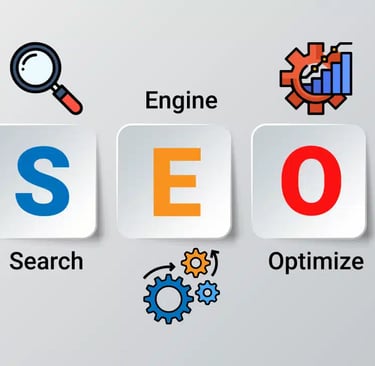
Understanding SEO and Its Importance
Search Engine Optimization (SEO) is a pivotal component of digital marketing, aimed at improving a website's visibility on search engines. By employing a variety of techniques and strategies, SEO seeks to increase the quality and quantity of organic traffic a website receives. With the dominance of online platforms in everyday life, the importance of effective SEO cannot be overstated, as it directly influences a company’s online presence and reputation.
At its core, SEO operates under the principle that the more trustworthy a website is perceived to be, the higher it will rank in search engine results. This is where the concept of trust becomes critical. Users are more likely to engage with websites that appear credible, and search engines are increasingly prioritizing sites that demonstrate traits associated with trustworthiness, such as high-quality content, relevant backlinks, and a user-friendly experience. Through the implementation of robust SEO strategies, businesses can cultivate this trust, leading to enhanced visibility and engagement.
Effective SEO optimization not only increases traffic but also fosters deeper engagement with users. When potential customers find a business's website at the top of search results, they perceive it as a leading authority in its field. This perception is foundational for establishing lasting relationships with customers and driving loyalty. Additionally, a reputable web presence is essential for converting visitors into clients. Therefore, SEO practices such as keyword optimization, content relevance, and site speed are not just technical considerations; they are essential elements for building trust with users and search engines alike. In this landscape, it becomes evident that trust is an indispensable part of a successful SEO approach.
The Role of Trust in SEO
Trust plays an instrumental role in the efficacy of Search Engine Optimization (SEO). Search engines have developed complex algorithms that evaluate numerous factors to determine the trustworthiness of a website. Websites that are deemed reliable, credible, and authoritative tend to rank higher in search results. This focus on trust signifies the importance of various elements such as domain authority, reputable backlinks, and user engagement metrics.
Domain authority is a critical aspect that search engines use when determining a site's ranking. A strong domain authority typically signals that the site is a reliable source of information, thereby fostering trust with users and search engines alike. Websites with higher domain authority are more likely to appear at the top of search engine results pages (SERPs). This leads to improved visibility and greater opportunities for attracting organic traffic.
Backlinks from reputable sources further enhance a website's trust factor. When a trusted website links to another, it essentially vouches for its credibility. Search engines take this as an endorsement, which positively impacts the website's authority and trustworthiness. Consequently, acquiring quality backlinks becomes a paramount strategy in effective SEO, as they can significantly influence a site’s search engine ranking.
Additionally, user engagement metrics such as click-through rates (CTR), bounce rates, and time spent on a site are indicative of user trust. When users exhibit positive engagement behaviors, it signals to search engines that the site provides value and meets their needs. This, in turn, can elevate the site's ranking in search results, creating a virtuous cycle of trust and visibility.
Ultimately, the incorporation of trust into SEO practices is not merely an ancillary consideration; it is a cornerstone that enhances a website's presence in an increasingly competitive digital landscape.
Building trust through content quality is a critical aspect of effective SEO practices. In today’s highly competitive digital landscape, merely generating content is no longer sufficient; the focus must shift toward creating high-quality, relevant content that resonates with users. This alignment with user search intent not only enhances engagement but also establishes a website’s credibility and trustworthiness.
To develop content that instills trust, it is essential to conduct thorough research. This involves gathering accurate information from reliable sources, ensuring that every piece of content is grounded in facts and accuracy. Utilizing expert insights can further increase the value your content provides. When content reflects knowledge and expertise, it becomes a go-to resource for users, reinforcing your site's reliability and authority.
Moreover, incorporating user-generated content, reviews, and testimonials can significantly enhance credibility. This type of content offers social proof, allowing potential visitors to see that others value your information. Additionally, maintaining transparency by providing references for claims, disclosing potential biases, and outlining your content creation processes can further solidify trust.
Incorporating elements such as clear citations, author bios with qualifications, and an engaging narrative style can also prove highly effective. This approach not only boosts readability but ultimately plays a vital role in how content is perceived by both users and search engines. Brands that prioritize high-quality content create an environment where trust can flourish, significantly impacting their SEO rankings. By consistently delivering value, websites can enhance user satisfaction and, consequently, improve their overall position in search results.
Technical SEO and Trustworthiness
Technical SEO is an essential pillar of online marketing that significantly impacts a website's trustworthiness. By optimizing various technical elements, websites can enhance user experience and demonstrate to both users and search engines that they prioritize safety and performance. Three critical components of technical SEO that contribute to a site's credibility are site speed, mobile-friendliness, and secure connections (HTTPS).
Site speed plays a vital role in retaining visitors, as users are more likely to abandon slower-loading pages. Search engines also consider loading speed as a ranking factor, making it imperative for website owners to focus on optimization techniques. Lightweight images, efficient coding practices, and the use of content delivery networks (CDNs) are effective strategies to improve site speed. A faster site enhances user satisfaction, thereby fostering trust.
Mobile-friendliness is another fundamental aspect of technical SEO. With an increasing number of users accessing the web through mobile devices, ensuring that websites are responsive is crucial. A logical layout, readable font sizes, and touch-friendly navigation simplify the user experience on smaller screens. Google’s mobile-first indexing emphasizes the importance of optimizing for mobile, reinforcing the need for website owners to prioritize this aspect. A mobile-friendly site not only improves search visibility but also establishes credibility with users.
Lastly, secure connections using HTTPS are critical for maintaining trustworthiness. Websites that are not secure may lead to data breaches and other cyber threats, which can severely damage a brand's reputation. Implementing an SSL certificate ensures that data exchanged between the user and the website is encrypted and safe. Search engines, particularly Google, favor HTTPS sites, thus impacting search rankings positively.
In conclusion, technical SEO elements such as site speed, mobile-friendliness, and secure connections are fundamental in determining a website's trustworthiness. By adhering to best practices in these areas, website owners can significantly enhance their site's credibility and foster a safe, user-friendly environment that encourages visitor engagement.
Trust Signals: What Are They?
Trust signals are crucial elements in the realm of Search Engine Optimization (SEO) as they play a significant role in establishing a website's credibility and authority. These signals help users and search engines gauge the reliability of a site, thereby influencing their decisions to engage or rank the site accordingly. Various categories of trust signals can be leveraged to enhance a website’s trustworthiness, ultimately improving its performance in search engine rankings.
One of the most common trust signals is user reviews. Positive feedback from existing customers gives potential visitors confidence in a brand’s offerings. These reviews serve as social proof, indicating that others have had satisfactory experiences. Integrating user-generated content in the form of testimonials and reviews can boost user engagement and trust, significantly impacting SEO outcomes.
Another effective trust signal is social proof, which encompasses user interactions on social media platforms, such as likes, shares, and comments. A strong social media presence can strengthen a brand’s reputation and visibility, further encouraging new visitors to explore the website. When users observe active engagement and positive sentiment towards a brand, they are more likely to trust the business.
Trust badges, logos, and certifications are also important trust signals. Displaying symbols from recognized authorities, such as secure payment options or satisfaction guarantees, reassures users of the safety and reliability of a site. This assurance can significantly reduce bounce rates and enhance user retention, contributing to improved SEO performance.
Incorporating these trust signals is not merely a matter of user experience; it directly ties into SEO strategies. A website that effectively utilizes such signals is more likely to gain favor with search engines, leading to higher rankings and greater visibility. Thus, understanding and implementing trust signals is essential for any website aiming to improve its credibility and effectiveness in the digital space.
The Impact of User Engagement and Trust
User engagement plays a pivotal role in establishing trust, both from a user perspective and within the search engine algorithms. Engagement metrics such as bounce rate, average session duration, and pages per session provide valuable insights into how users interact with a website. A high bounce rate, for example, often indicates that users are not finding the content they seek, which can diminish trust in the site’s credibility. Conversely, a low bounce rate and higher session durations typically signal that visitors are interested in the content, indicating a more positive experience.
When users find a website to be informative and engaging, they are more likely to stay longer and explore additional pages. This extended engagement sends positive signals to search engines, which favor sites that sustain user interest and deliver quality content. As search engines strive to provide the best possible results to their users, they increasingly prioritize user engagement as a key factor in determining the trustworthiness of a site.
Moreover, trust is not merely a by-product of engagement but is intricately linked to user experience. Elements such as website design, loading speed, and the availability of secure browsing controls (like HTTPS) contribute to a user-friendly environment. When these factors align to create a seamless experience, users are more inclined to return, fostering a cycle of trust that can significantly boost SEO performance.
Ultimately, enhancing user engagement not only nurtures trust but also strengthens a website’s overall authority. As a result, the relationship between user engagement, trust, and SEO is not only important but essential for any online presence aimed at achieving long-term success.
Strategies to Enhance Trust for SEO Success
To foster trust, businesses should consider implementing specific strategies that not only enhance their online reputation but also improve their search engine optimization (SEO) outcomes. One of the primary strategies is to optimize web service practices. This involves ensuring that your website is user-friendly, secure, and fast. Employing HTTPS encryption can significantly enhance user trust. According to studies, users are more likely to engage with websites that display security indicators. Additionally, ensuring that your site is mobile-friendly can improve user experience, thereby positively influencing SEO rankings.
Another critical strategy is to develop ethical marketing approaches. Transparent pricing, honest product descriptions, and adherence to advertising standards contribute to building trust among users. Consumers appreciate companies that are upfront about their products and services, and this transparency can lead to greater customer loyalty and repeat visits, which are both beneficial for SEO. Furthermore, incorporating user-generated content, such as reviews and testimonials, can serve to validate your offerings while enhancing credibility in the eyes of both users and search engines.
Establishing and maintaining open communication channels with users is also essential. Providing accessible customer service options such as live chat, email support, or social media interactions can greatly enhance trust. When customers feel their voices are heard and their concerns addressed, it fosters loyalty. Regularly engaging with users through informative content, updates, and even responding to queries can encourage trust. Not only does this show that the business values its customers, but it also creates an atmosphere conducive to positive user experiences—factors that search engines increasingly consider important in their ranking algorithms.
Through these strategies—optimizing web service practices, creating ethical marketing strategies, and fostering open communication—businesses can significantly enhance their trustworthiness and, consequently, their SEO success.
Services
Creation of your tailor-made digital presence.
Expertise
Digital
contact@syo-web.com
+212-664-918-498
© 2024. All rights reserved.