


Understanding the Difference Between Technical SEO and Editorial SEO
2/27/20267 min read
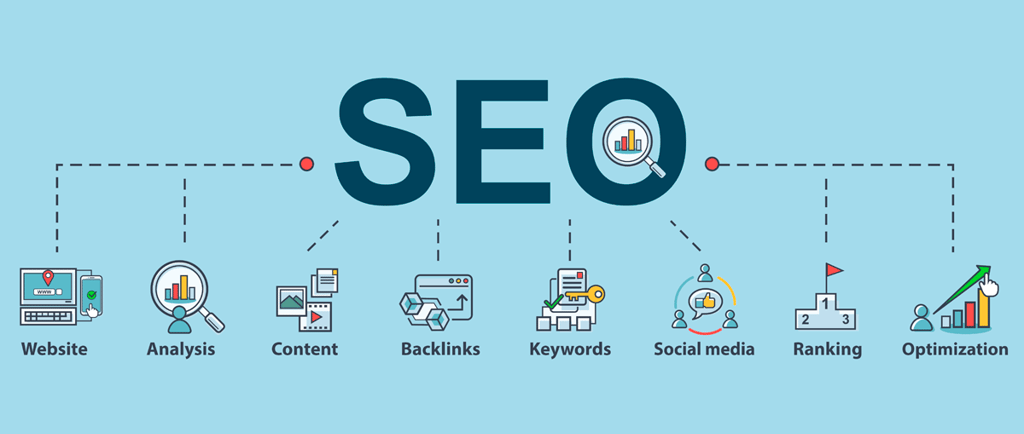

Introduction to SEO
Search Engine Optimization (SEO) is a pivotal element in digital marketing strategies, essential for enhancing the online visibility of websites. By optimizing web content for search engines, businesses can significantly improve their chances of being discovered by potential customers when they search for relevant products or services. The underlying goal of SEO is to drive organic traffic, which refers to visitors who find a website through unpaid search results rather than through advertisements.
SEO encompasses a variety of strategies and techniques, which can be broadly categorized into two main areas: technical SEO and editorial SEO. Technical SEO focuses on the backend of a website, ensuring that search engines can crawl, index, and understand the site effectively. It involves optimizing site structure, improving loading speed, ensuring mobile-friendliness, and configuring elements such as metadata and sitemaps. By addressing these factors, technical SEO creates a solid foundation that enables search engines to comprehend the site’s content, thereby improving its ranking in search results.
On the other hand, editorial SEO is concentrated on the content itself. This area involves creating high-quality, relevant, and engaging content that addresses the needs and queries of users. By integrating targeted keywords naturally into well-structured articles or blog posts, editorial SEO not only provides value to readers but also signals to search engines that the content is pertinent to specific search queries. Both technical and editorial SEO are interdependent; without proper technical optimization, even the best content may fail to reach its intended audience.
In the landscape of digital marketing, understanding the nuances between technical SEO and editorial SEO is critical. Both disciplines complement each other, contributing to the comprehensive effectiveness of a website. Engaging in both types of SEO allows businesses to maximize their online presence and reach their marketing objectives.
What is Technical SEO?
Technical SEO refers to the optimization of a website's infrastructure so that it can be easily crawled, indexed, and understood by search engines. This involves various elements that contribute to the overall performance and accessibility of a site, ultimately influencing its visibility in search engine results pages (SERPs). Key components of technical SEO include website architecture, crawlability, indexing, site speed, mobile-friendliness, and SSL security.
Website architecture pertains to the structure and organization of a site, ensuring that content is logically categorized and easily navigable. A well-structured site permits search engine bots to crawl pages efficiently, helping them index content accurately. Crawlability is the capacity of search engines to discover and access a site’s pages. If pages are not crawlable, they may as well not exist in the eyes of search engines.
Indexing refers to the process of storing and organizing the content that search engines locate during crawling. Proper technical SEO ensures that all relevant pages are indexed, allowing them to appear in search results. Site speed is another vital aspect; slow-loading pages can lead to higher bounce rates and diminished user experience, which can negatively impact SERP rankings.
With the increasing prevalence of mobile devices, mobile-friendliness has also become a critical factor in technical SEO. Websites must be responsive and accessible on various screen sizes to retain mobile users. Lastly, implementing SSL security enhances a site's trustworthiness by providing secure data transmission, which is favored by search engines.
For example, optimizing images to load faster and using schema markup can significantly improve site speed and indexation rates, thus contributing positively to a site’s overall performance. In conclusion, prioritizing technical SEO is essential for ensuring that a website is accessible to search engines and can be properly indexed, ultimately leading to improved search rankings.
What is Editorial SEO?
Editorial SEO is a nuanced approach to search engine optimization that emphasizes the importance of content creation and optimization. This process focuses on producing high-quality, relevant content that meets user intent while adhering to SEO best practices. In an era where search engines prioritize user experience, the relevance of editorial SEO cannot be understated.
At its core, editorial SEO involves crafting content that is engaging, informative, and tailored to the needs of a target audience. This often includes thorough keyword research to understand what potential readers are searching for. Properly incorporating these keywords enhances the content's visibility on search engine results pages (SERPs). Additionally, strategic usage of meta tags, headers, and alt texts assist in optimizing content at various levels, ensuring search engines can easily comprehend and rank the pages.
Editorial SEO also plays a vital role in improving on-page elements, such as internal linking structures and content formatting. By enhancing these components, editorial SEO not only contributes to better discoverability for search engines but also results in a richer user experience. Well-structured articles with clear headings and subheadings necessitate less effort for readers to find the information they seek, facilitating higher engagement rates.
Moreover, the ultimate goal of editorial SEO is to cultivate user trust and authority within a specific niche. When content is consistently updated and revolves around current trends or popular questions, it positions the creator as a go-to source of information. Such trust can lead to increased traffic, longer dwell times, and lower bounce rates—factors that search engines use to assess the quality of a website. Overall, editorial SEO serves as an essential mechanism for aligning content strategies with the evolving landscape of online search.
Key Differences Between Technical SEO and Editorial SEO
Technical SEO and Editorial SEO represent two distinct yet interrelated approaches to optimizing a website for search engines. While both aim to enhance visibility and drive organic traffic, their methodologies and objectives differ significantly.
Technical SEO focuses primarily on the backend elements of a website. This includes improving site speed, ensuring mobile-friendliness, optimizing the site architecture, and facilitating proper indexing by search engine crawlers. The goal of technical SEO is to provide a solid foundation for a website, enabling search engines to efficiently crawl and index its pages. Additionally, technical optimizations help in addressing issues such as broken links, duplicate content, and XML sitemap configuration, ensuring that a website adheres to best practices.
In contrast, Editorial SEO prioritizes content quality and relevance. This approach revolves around creating high-quality, engaging content that resonates with the target audience. The main goal of editorial SEO is to enhance user experience through valuable content while also utilizing keyword strategies to improve organic ranking. Editorial SEO encompasses aspects such as keyword research, content structuring, and leveraging on-page SEO techniques to ensure that the content is both discoverable and provides answers to the users’ queries.
While technical SEO and Editorial SEO have their unique focuses, they are not mutually exclusive. An effective SEO strategy requires a comprehensive approach that incorporates both elements. For instance, even the best content may remain unnoticed if the technical structure of a website is flawed, hence the need for coordination between both SEO types. Ultimately, understanding and implementing both technical and editorial SEO elements ensures a holistic optimization strategy, maximizing a website’s potential to attract and engage users efficiently.
Integrating Technical and Editorial SEO
Integrating technical SEO and editorial SEO is crucial for creating a comprehensive approach to search engine optimization that enhances a website's performance in search rankings and improves user engagement. Technical SEO focuses on the backend elements of a website, such as site speed, mobile-friendliness, and URL structures. In contrast, editorial SEO deals with the content quality, relevancy, and alignment with user intent. When businesses cultivate a harmonious blend of both, they can significantly elevate their digital marketing strategies.
One effective strategy for leveraging both types of SEO involves adopting a holistic content strategy that considers the technical aspects of SEO while producing high-quality content. Businesses can start by analyzing existing content to identify technical improvements that could enhance its visibility. For instance, optimizing the page speed of content-rich pages can lead to lower bounce rates and increased time spent on the site. Furthermore, improving metadata such as title tags and descriptions can lead to higher click-through rates from search results.
Moreover, robust content that answers user queries can increase engagement, encouraging longer dwell times and higher user satisfaction. This, in turn, signals to search engines that the content is valuable, potentially boosting its rankings. Additionally, incorporating internal linking can help in distributing page authority throughout the site while also guiding users to related content, enriching their experience.
Examples such as updating old blog posts with more relevant information while enhancing their technical features illustrate this integration well. By ensuring the content is both informative and technically sound, businesses can create a seamless user experience that enhances overall site traffic and visibility. Ultimately, integrating technical and editorial SEO is essential for any business aiming to optimize its online presence effectively.
Common Misconceptions about Technical and Editorial SEO
In the digital marketing landscape, two essential components often come under scrutiny: technical SEO and editorial SEO. However, there exist several misconceptions surrounding these facets that can lead to confusion among marketers and webmasters alike. One prevalent misunderstanding is that technical SEO alone suffices for achieving optimal website performance. While technical SEO lays the groundwork for website efficiency—ensuring speed, mobile compatibility, and proper indexing—editorial SEO plays a pivotal role that cannot be overlooked. High-quality content is essential for engaging users and satisfying their search intents, meaning that without strong editorial strategies, even the most technically sound websites may struggle to maintain traffic.
Another common misconception is the belief that one form of SEO can substitute for the other. Some may argue that a well-optimized website can compensate for poor content, while others may claim that exceptional content is irrelevant if the technical aspects are lacking. In reality, both technical and editorial SEO are interdependent. A website can attract users through excellent content, but if the site structure is flawed or if pages can't be crawled reliably, those benefits are often nullified. Thus, neglecting one in favor of the other can hinder overall SEO success.
Additional confusion lies in the assumption that technical SEO is the only factor influencing SEO performance. This notion discounts the growing importance of user experience and engagement metrics, which are inherently linked to editorial content. Search engines today prioritize user satisfaction, taking into account factors such as dwell time and bounce rates, many of which are directly affected by the quality of the content presented. To foster a comprehensive SEO strategy, it is crucial to recognize the distinct yet complementary roles of both technical and editorial SEO.
Conclusion and Next Steps
Understanding the distinctions between technical SEO and editorial SEO is crucial for any business aiming to enhance its online presence. While technical SEO focuses on the backend elements that improve site performance and usability—such as site speed, mobile optimization, and structured data—editorial SEO centers around content quality, relevance, and user engagement. Both aspects are integral components of a successful SEO strategy.
The interplay between technical and editorial SEO cannot be overstated. A well-optimized website is not only built upon strong technical foundations but also enriched with valuable and engaging content. By harmonizing these two areas, businesses can effectively enhance search engine rankings, widen their audience reach, and improve user satisfaction.
As you evaluate your current SEO strategies, take the time to assess whether you have a balanced approach that includes both technical and editorial SEO. Identifying any gaps may provide significant opportunities for improvement. Enhancing your website's performance while simultaneously delivering quality content can yield superior results and maximize your online potential.
If you find the task of integrating both types of SEO daunting, consider engaging professional web services that provide expertise in these areas. Such services can offer tailored strategies that address your specific requirements, ensuring a comprehensive approach to SEO optimization. For further insights, we invite you to explore the services offered by SYO Web. Their proficiency in both technical and editorial SEO can assist you in achieving your online marketing goals efficiently.
Services
Creation of your tailor-made digital presence.
Expertise
Digital
contact@syo-web.com
+212-664-918-498
© 2024. All rights reserved.